For gravel tires at 30 to 50 PSI, a dependable floor pump with a readable gauge and a secure Presta-compatible head is usually the best choice at home. Riders who need roadside inflation should add a mini pump or CO2 inflator.
Gravel tires running at 30 to 50 PSI do not need an extreme high-pressure road pump. The best all-around choice is a floor pump with a stable base, a readable gauge, a secure Presta-compatible chuck, and enough barrel volume to inflate wider tires efficiently. If you need inflation during a ride, pair it with a mini pump or CO2 inflator rather than relying on a large floor pump.
What to look for in a gravel-tire pump
A gauge that is easy to read at lower pressures
At 30 to 50 PSI, small pressure differences can affect comfort, traction, cornering, and rim protection. Choose a pump with a gauge that clearly displays the range around your normal riding pressure. A large analog gauge is often easy to read, while a digital gauge can make small adjustments more precise if its battery and controls suit you.
A pump does not need an exceptionally high maximum-pressure rating for gravel use. A rating far above your target range is less important than gauge readability, chuck security, and efficient inflation.
Compatibility with Presta valves
Many gravel bikes use Presta valves, although some wheels use Schrader valves or removable valve cores. Before buying, check whether the pump head:
Supports Presta valves directly
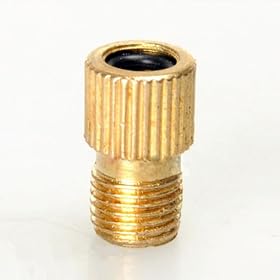
Supports Schrader valves directly or with an adapter
Switches between valve types without loose parts
Locks securely without bending the valve stem
Fits the valve length and rim depth on your wheels
If you frequently change between bikes, a dual-valve head or a reliable Presta adapter is more convenient than carrying several small parts.
Enough air volume for wide tires
Gravel tires have more air volume than typical road tires. A floor pump with a moderate- or high-volume barrel will generally inflate them faster and with fewer strokes than a narrow high-pressure road pump.
You do not need a dedicated mountain-bike pump simply because you ride gravel. However, a compact barrel may feel slow with wider tires, especially when mounting a tire after a puncture or tubeless repair. Look for a pump designed to handle both road and wider tires if your setup changes between bikes.
A stable base and comfortable handle
A stable base matters when you are applying repeated force. A broad foot platform and a handle that is comfortable to grip make it easier to stop at an accurate pressure without rocking the pump or pulling the valve sideways.
A long hose is also useful. It lets you place the pump on the floor while keeping the wheel in a natural position, reducing stress on the valve stem.
Floor pump, mini pump, or CO2 inflator?
Floor pump: best for home setup
A floor pump is the best primary pump for gravel tires if you inflate at home before most rides. It is faster and easier to control than a hand pump, and its gauge makes it simpler to set both tires consistently.
Prioritize a secure valve head, a readable gauge near 30 to 50 PSI, a stable base, and a barrel suited to higher-volume tires.
Mini pump: best for roadside repairs
A mini pump is the practical backup for rides. It should fit your frame storage, saddle bag, or pack and connect securely to your valve type. A higher-volume mini pump usually inflates gravel tires faster, while a smaller pump is easier to carry.
Check the pump's real-world size and hose arrangement before buying. Some compact pumps are difficult to use with deep-section rims or crowded valve areas. If your tires are tubeless, a mini pump may be enough to restore riding pressure after a small puncture, but it may not reseat a tire bead after a complete unseating.
CO2 inflator: fastest emergency option
A CO2 inflator can restore pressure quickly and takes little space. It is useful for racing, long rides, or situations where speed matters. The tradeoffs are limited cartridge capacity, ongoing cartridge replacement, and less opportunity to fine-tune pressure.
CO2 also leaks through some tubeless sealants faster than ordinary air. For a tubeless gravel setup, carry enough cartridges for the repair and use a hand pump when you need a more permanent top-up.
Product prices and availability are accurate as of the date/time indicated and are subject to change. Any price and availability information displayed on Amazon.com at the time of purchase will apply to the purchase of this product.
How much pump pressure do gravel tires need?
A pump rated to well above 50 PSI will handle this use, but the maximum rating alone should not determine your choice. More important specifications include:
Gauge range and resolution: The gauge should make 30 to 50 PSI easy to distinguish.
Air volume per stroke: More volume generally means faster inflation for wider tires.
Valve compatibility: Confirm Presta, Schrader, or both before purchasing.
Hose length: A longer hose reduces awkward valve angles.
Head design: A locking head should seal without excessive force.
Portability: A floor pump is convenient at home but impractical for most rides.
Use the tire and rim manufacturer's pressure limits as the boundaries. Your ideal pressure also depends on rider weight, tire width, casing, tubeless or tube setup, rim width, terrain, and whether you prioritize speed or comfort. Do not assume a higher pressure is always safer or faster.
Recommended setup for most gravel riders
For most riders, the sensible setup is:
A floor pump at home with a clear gauge and a secure Presta-compatible head.
A mini pump on the bike for punctures and pressure adjustments.
A CO2 inflator only if rapid emergency inflation is valuable for your rides.
A compatible adapter or replacement head if your bikes use different valve types.
If you ride tubeless, also carry the repair equipment your tires require. A pump can restore air, but it cannot replace a plug kit, spare tube, tire levers, or sealant when the puncture is too large to seal on its own.
Common buying mistakes
Choosing a road pump because the pressure rating is high
Gravel tires usually need more air volume, not an unusually high pressure ceiling. A narrow high-pressure pump may work, but it can be slower and less convenient with wide tires.
Buying a tiny pump as the only pump
A mini pump is portable, but it takes more effort for routine inflation and may not provide a convenient, precise gauge. It is usually better as an on-bike backup than as your only pump at home.
Ignoring the valve head
A pump with the wrong head or an unreliable seal can cause air loss, bent valve cores, or frustrating inflation. Confirm compatibility with your actual tubes or tubeless valves before ordering.
Treating the gauge as perfectly calibrated
Built-in gauges are useful for consistency, but readings can differ between pumps. If exact pressure matters, compare the pump with a separate gauge and use the same gauge for routine adjustments. Replace a gauge or pump head if it becomes difficult to read, leaks, or gives erratic readings.
When to replace a gravel-bike pump
Replace the pump if the hose or head leaks, the locking mechanism no longer grips the valve, the gauge needle sticks or fails to return to zero, or the barrel requires unusual force. A replaceable hose, head, gasket, or gauge can be worthwhile when the pump body and base remain sound.
If the pump has several failing parts, is unstable, or no longer inflates efficiently, replacing the complete pump is usually more practical. Follow the manufacturer's service instructions, and do not disassemble a pressurized component.
FAQ
Is a high-pressure road pump good for gravel tires at 30 to 50 PSI?
It can inflate them, but a higher-volume floor pump is usually more convenient because gravel tires hold more air. Gauge readability and valve compatibility matter more than an exceptionally high maximum-pressure rating.
Do I need a special pump for tubeless gravel tires?
Not for routine pressure adjustments. A normal Presta-compatible floor pump works for everyday inflation. Seating a completely unseated tubeless bead may require an air compressor, charger, or pump specifically designed to deliver a rapid burst of air.
Should I carry a mini pump or CO2 inflator on gravel rides?
A mini pump provides unlimited inflation as long as you can keep pumping, while CO2 is faster and more compact but limited to the cartridges you carry. Many riders choose a mini pump as the dependable option and add CO2 for emergencies.
What gauge range is best for gravel tires?
Choose a gauge that makes your normal 30 to 50 PSI range large and easy to read. A very high-range gauge can make small adjustments harder to see, even if the pump itself is capable of reaching much higher pressure.