If your CO2 inflator releases gas too quickly, the usual causes are an open or leaking valve, a poor cartridge connection, an incompatible cartridge, or an inflator head that is not being controlled correctly. Use these checks to find the problem before wasting another cartridge.
What do you need help with?
Open an answer, or tell us what we should cover next.
Answered in this guide
Stop a CO2 inflator from wasting the cartridge
Work through the cartridge, control, connection, valve, tire, and inflator checks to find why gas escapes immediately. These checks help stop wasted cartridges before attempting another inflation.
Listen for hissing and feel for escaping cold gas around the inflator connection. Inspect the seals for damage or missing parts, since a poor connection can empty the cartridge while adding little pressure to the tire.
Prepare the valve according to its type: open a Presta valve correctly, use the proper Schrader connection, or fit a suitable adapter. Incorrect valve preparation can cause poor inflation and unnecessary gas loss.
Check whether the inflator control mechanism is faulty
If gas flows as soon as the cartridge is installed despite correct compatibility, valves, and seals, inspect the trigger, button, lever, or twist control for sticking or damage. A faulty mechanism may require replacing the inflator.
Request a topic and help us choose what to build next.
Repair the tire or tube that is leaking
Choose and install a replacement CO2 inflator
Check tire pressure after using a CO2 cartridge
Requests help us prioritize the next guide. No email required.
One anonymous request per topic.
A CO2 inflator that empties a cartridge too fast usually has a valve-connection, seal, or control problem—not a tire that simply needs more air. Stop pressing the release button or twisting the control, remove the cartridge if it is safe to do so, and inspect the inflator before installing another one. The steps below can help identify whether the issue is setup, a leak, the wrong cartridge, or a damaged inflator.
1. Check the cartridge and inflator compatibility
Start by confirming that the cartridge matches the inflator. Common differences include:
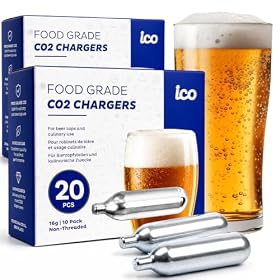
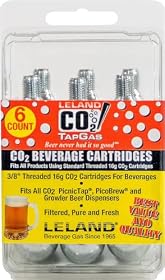
Threaded versus non-threaded cartridges: A threaded inflator generally requires a threaded cartridge. A non-threaded cartridge may use a piercing mechanism or a separate holder.
Cartridge size: Larger cartridges contain more gas, but they also release more total volume if the valve is opened accidentally.
Cartridge material and shape: The cartridge should seat squarely in the holder and should not wobble or bind.
Manufacturer instructions: Some inflators require the cartridge to be screwed in only partway until you are ready to puncture it. Others use a different loading sequence.
Do not force a cartridge into an inflator or mix parts from different systems unless the manufacturer says they are compatible. A cartridge that is not seated correctly can leak around the connection or puncture before you are ready.
2. Check whether the release control is open
Many CO2 inflators have a trigger, button, lever, or twist control. If it is partly open during installation, gas may escape immediately.
Before attaching a cartridge:
Put the inflator control in its closed or off position.
Attach the inflator to the tire valve as directed.
Open the control gradually rather than pressing it fully at once.
Close the control as soon as the tire reaches the desired pressure.
A twist-control inflator can sometimes be mistaken for a simple on/off valve. Turn it slowly and watch the tire rather than opening it all the way. If the inflator has no way to regulate flow, brief pulses may help, but follow the specific instructions for that design.
Product prices and availability are accurate as of the date/time indicated and are subject to change. Any price and availability information displayed on Amazon.com at the time of purchase will apply to the purchase of this product.
3. Inspect the valve connection for leaks
A poor connection can make a cartridge appear to empty unusually fast while the tire gains little pressure. Listen for a steady hiss and feel around the connection for escaping cold gas, but do not hold bare skin against the cartridge or metal inflator during discharge. Rapidly expanding CO2 can cause frostbite.
Check these points:
The inflator head is fully seated on the Presta or Schrader valve.
A Presta valve is fully opened before the inflator is attached.
A Schrader valve is not obstructed or damaged.
The head is held straight rather than at an angle.
The locking lever, if present, is fully engaged.
Any valve-core or head seal is not visibly cracked, displaced, or dirty.
If gas escapes at the valve connection, close the control and remove the inflator only after the flow has stopped. A damaged valve core, bent valve stem, or worn inflator gasket may need replacement.
Product prices and availability are accurate as of the date/time indicated and are subject to change. Any price and availability information displayed on Amazon.com at the time of purchase will apply to the purchase of this product.
4. Look for damaged or missing seals
CO2 systems rely on small O-rings and gaskets to contain high-pressure gas. Inspect the cartridge seat, inflator head, valve interface, and any removable adapters. Look for:
Flattened, split, dry, or missing O-rings
Dirt or metal debris on the sealing surfaces
A gasket that has slipped out of its groove
Cross-threading or damaged threads
Cracks in the plastic or metal body
Do not substitute a random rubber ring if the correct seal is available. The replacement must tolerate the pressure and fit the inflator properly. If the manufacturer does not offer seals or a replacement head, replacing the inflator is usually more sensible than relying on a questionable repair.
Product prices and availability are accurate as of the date/time indicated and are subject to change. Any price and availability information displayed on Amazon.com at the time of purchase will apply to the purchase of this product.
5. Confirm the tire valve setup
Incorrect valve preparation can cause poor inflation and unnecessary gas loss.
Presta valves
Remove the cap, unscrew the small valve nut several turns, and briefly press the nut to confirm that the valve opens. Attach the inflator straight and secure it according to the head design. Do not remove the small nut completely.
Schrader valves
Remove the cap and attach the inflator head firmly. The inflator must press the valve core correctly; a loose or misaligned connection can vent gas instead of filling the tire.
Presta adapters
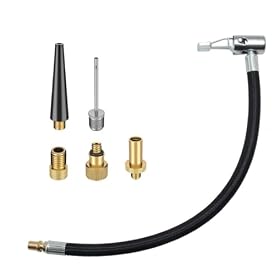
If you are using a Presta-to-Schrader adapter, make sure it is fully threaded onto the open Presta valve and that its seal is intact. An adapter adds another possible leak point, so remove it from the setup if the inflator can connect directly to the Presta valve.
Product prices and availability are accurate as of the date/time indicated and are subject to change. Any price and availability information displayed on Amazon.com at the time of purchase will apply to the purchase of this product.
6. Make sure the tire is not already leaking
A puncture, damaged tube, loose tubeless valve, or unseated tire bead can make CO2 disappear quickly. If the inflator connection looks sound but the tire will not hold pressure, inspect the tire and valve rather than continuing to discharge cartridges.
After adding enough gas to handle the bike safely, check for:
A puncture or cut in the tread or sidewall
A loose tubeless valve stem
Sealant leaking from a tubeless puncture
A tube pinched between the tire and rim
A tire bead that has not seated correctly
Do not ride on a tire with a visibly damaged sidewall, badly unseated bead, or valve stem pulling out of the tube. Repair or replace the affected component first.
7. Consider tire size and required pressure
CO2 cartridge capacity is limited. A cartridge that works for a narrow road tire may not fully inflate a high-volume gravel, mountain bike, or fat-bike tire. If the tire is very low or completely flat, it may take most or all of a cartridge even when the inflator is working normally.
Cartridge size also does not translate directly into a guaranteed tire pressure. The final pressure depends on tire volume, rim and tire setup, temperature, and how much gas remains in the cartridge. Use a cartridge size appropriate for your tire volume, and carry a second cartridge or a backup pump when a failed inflation would leave you stranded.
A CO2 inflator is generally an emergency tool, not a precise pressure-setting tool. For routine inflation, a floor pump with a gauge is easier to control. CO2 can also leak out of some tubes and tubeless systems faster than ordinary air, so check pressure again when you can.
8. Check for a faulty control mechanism
If the cartridge, valve setup, and seals are correct but gas flows as soon as the cartridge is installed, the release mechanism may be stuck or damaged. Possible causes include:
A jammed trigger or twist valve
A damaged piercing pin
Debris inside the valve mechanism
A control that does not return to the closed position
Internal damage from overtightening or freezing
Do not disassemble a pressurized inflator or try to repair its internal valve while a cartridge is attached. Remove the cartridge only as directed by the manufacturer, keep your face and hands away from the outlet, and allow the unit to warm naturally if it has become cold. Never heat a cartridge or inflator with a flame, hair dryer, or other direct heat source.
If the control cannot reliably stop the flow, replace the inflator. A valve that dumps gas unexpectedly is not dependable for roadside use.
When to replace the inflator
Replacement is reasonable when the inflator has a damaged body, leaking head, worn control, stripped cartridge threads, missing proprietary seals, or a valve that opens uncontrollably. The cost of wasted cartridges and the risk of being unable to inflate a tire can outweigh the value of keeping a faulty unit.
Before buying another inflator, match it to your valve type and cartridge style. A model with controlled release is easier to use efficiently, while a simple fixed-flow design may be lighter but gives you less control. If you regularly inflate high-volume tires, also choose cartridges based on tire volume rather than assuming a standard cartridge will be sufficient.
Quick roadside checklist
Close the inflator control.
Check that the cartridge is compatible and seated correctly.
Confirm the Presta valve is open or the Schrader head is properly engaged.
Look and listen for leaks at the cartridge and valve connections.
Inspect O-rings and adapters for damage.
Open the control gradually.
Stop if the flow cannot be controlled or the inflator freezes excessively.
Use a spare cartridge or pump only after correcting the leak or setup problem.
FAQ
Why does my CO2 inflator release gas as soon as I screw in the cartridge?
The control may be open, the cartridge may be punctured during installation, or the inflator's piercing or release mechanism may be damaged. Close the control before installation and follow the manufacturer's loading sequence. If gas still flows uncontrollably, replace the inflator rather than disassembling it while pressurized.
Can a CO2 cartridge be too large for an inflator?
The cartridge must match the inflator's connection and holder design. A larger compatible cartridge may contain more gas, but it can also make accidental discharge more wasteful and may not be appropriate for every tire. Check the inflator and cartridge instructions before use.
Why is my tire still soft after using a CO2 cartridge?
The cartridge may be too small for the tire volume, or gas may be escaping at the valve, inflator head, tire bead, tube, or tubeless valve. Check for leaks before using another cartridge. A puncture or unseated bead may need repair first.
Can I use a CO2 inflator on a Presta valve?
Yes, if the inflator head supports Presta valves or you use a correctly fitted Presta adapter. Open the Presta valve before attaching the head, keep the connection straight, and check the adapter for leaks.
Is it safe to touch a CO2 cartridge after using it?
The cartridge and inflator can become extremely cold during discharge. Avoid holding the metal parts against bare skin, and allow them to warm naturally. Do not heat a cartridge with a flame or other direct heat source.