A CO2 inflator with 16g cartridges is a compact emergency option for cyclists who need to restore tire pressure on the road. Before buying, confirm the inflator fits your valve and cartridge type, then consider control, insulation, and whether 16g provides enough air for your tires.
A CO2 inflator with 16g cartridges is a compact way to refill a bicycle tire after a flat without carrying a full-size pump. It is best suited to emergency roadside use, but compatibility matters: check your valve type, cartridge thread, tire volume, and whether the inflator offers controlled release.
What a 16g CO2 inflator is for
These kits use a small disposable cartridge of compressed carbon dioxide. The inflator transfers that gas into the tire through a Presta or Schrader valve, depending on the head or included adapter.
A 16g cartridge is commonly chosen for road and other relatively narrow tires because it offers a useful balance between size and inflation capacity. The actual pressure reached depends on tire volume, starting pressure, tire width, and how much gas remains in the cartridge. A cartridge that works well for one tire may not fully inflate a much larger mountain-bike or fat-bike tire.
CO2 is primarily an emergency solution. It is convenient and lightweight, but it is not usually the most economical way to inflate tires regularly. For home inflation, a floor pump is easier to control and avoids disposable cartridges.
Check these specifications before buying
Valve compatibility
Confirm whether the inflator supports:
Presta valves, common on many road, gravel, and higher-pressure bike tires
Schrader valves, common on many mountain bikes, hybrids, children's bikes, and e-bikes
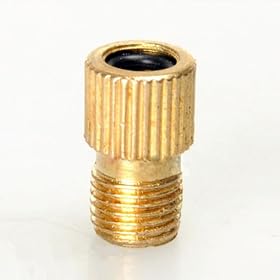
Both valve types, either through a dual-compatible head or an included adapter
A Presta valve may also need its small tip loosened before inflation. Do not force the inflator onto the valve. If your bike uses removable valve cores or an unusual tubeless setup, check the inflator and tire manufacturer's instructions.
Cartridge connection
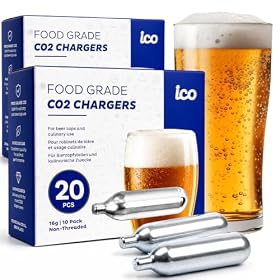
Many 16g cartridges use threaded connections, but not every cartridge and inflator interface is interchangeable. Check whether the inflator requires threaded cartridges or accepts a non-threaded cartridge. Buying the wrong type can leave you with a cartridge that cannot be secured properly.
Also check whether the package includes a cartridge or only the inflator. If it includes one, verify that it is a 16g cartridge and that the connection matches the inflator.
Controlled release versus instant release
A basic inflator may release gas as soon as the cartridge is opened. A controlled-release model lets you add gas gradually, which is useful when you want to avoid overinflating a small tire or when the cartridge may need to serve more than one tire.
Controlled release can also make the inflator easier to use with unfamiliar tire sizes. It does not replace checking the tire's recommended pressure range.
Insulation and handling
CO2 expands rapidly and makes the cartridge and inflator head very cold. A metal cartridge can be uncomfortable or unsafe to hold during use. Look for a protective sleeve, insulated grip, or another design that keeps your hand away from the cold metal.
A sleeve is helpful, but it does not make careless handling safe. Keep fingers clear of the outlet and follow the inflator's instructions.
CO2 inflators compatible with 16g threaded cartridges
Product prices and availability are accurate as of the date/time indicated and are subject to change. Any price and availability information displayed on Amazon.com at the time of purchase will apply to the purchase of this product.
Is one 16g cartridge enough?
That depends mainly on tire volume and the pressure you need. A 16g cartridge is generally more suitable for narrower road-style tires than for high-volume mountain-bike, cargo-bike, or fat-bike tires. Tubeless tires can also require extra gas during seating, and a single small cartridge may not be sufficient.
If you ride larger-volume tires or want a backup for repeated problems, consider carrying more than one cartridge or carrying a mini pump as well. A pump is slower but reusable, and it lets you finish inflation if the cartridge runs out or does not reach a rideable pressure.
Do not choose cartridge size solely by the pressure printed on the tire. Tire volume has a major effect on how much gas is required.
Product prices and availability are accurate as of the date/time indicated and are subject to change. Any price and availability information displayed on Amazon.com at the time of purchase will apply to the purchase of this product.
How to use a CO2 inflator safely
Remove the cause of the flat and install the spare tube or repair the tubeless puncture according to your normal roadside procedure.
Make sure the valve is accessible and the inflator head matches it.
Attach the inflator securely before opening the cartridge.
Keep your hand away from the outlet and exposed metal surfaces.
Release the gas gradually if the inflator has a control mechanism.
Stop when the tire is adequately firm and within the tire manufacturer's recommended range.
Remove the inflator carefully and check that the valve is not damaged.
Use only cartridges approved by the inflator manufacturer. Never heat, puncture, crush, or attempt to refill a disposable cartridge. Store cartridges away from high heat and follow any transport restrictions that apply where you live or travel.
CO2 can escape more quickly than ordinary air through some tubes and tubeless systems. After reaching a safe place, many riders replace the CO2 with regular air using a pump. Follow the tire, tube, and sealant manufacturer's guidance for your setup.
Product prices and availability are accurate as of the date/time indicated and are subject to change. Any price and availability information displayed on Amazon.com at the time of purchase will apply to the purchase of this product.
What to carry with the inflator
A CO2 inflator is more useful as part of a small flat-repair kit than as a standalone purchase. Consider carrying:
At least one compatible spare cartridge
A spare tube or tubeless plug kit appropriate to your tires
Tire levers, if your rim and tire require them
A valve-core tool when your setup uses removable cores
A mini pump as a backup for longer or remote rides
A way to protect the cartridge and inflator from damage in a saddle bag or jersey pocket
Check the kit at home before a ride. Confirm that the inflator attaches to your valve and that you understand how its release mechanism works.
When a different product is a better choice
Choose a floor pump if you need regular home inflation, accurate pressure adjustment, or easy inflation of high-volume tires.
Choose a mini pump if you want a reusable roadside option and do not want to carry disposable cartridges. A mini pump takes longer, especially with large tires, but it cannot run out of gas.
Choose a larger cartridge system if your tires have high volume or you frequently need to inflate more than one tire. Confirm that the larger cartridge is compatible with the inflator before buying.
A 16g CO2 inflator is a good match when compact emergency inflation matters most and your tires do not require unusually large amounts of air. For most buyers, valve compatibility, cartridge connection, and controlled release are more important than choosing the smallest possible inflator.
FAQ
Will a 16g CO2 cartridge work with any CO2 inflator?
No. Check whether the inflator requires threaded or non-threaded cartridges and confirm the cartridge connection in the manufacturer's instructions.
Can a 16g cartridge inflate a mountain-bike tire?
It may inflate some mountain-bike tires, but high-volume tires require more gas than narrow road tires. Check the inflator or cartridge guidance and consider carrying a second cartridge or a mini pump.
Do CO2 inflators work with both Presta and Schrader valves?
Some do, while others support only one valve type or require an adapter. Confirm the valve compatibility before buying.
Should CO2 remain in my tire after the repair?
CO2 is useful for getting back on the road, but it can escape faster than ordinary air in some tubes and tubeless systems. Replace it with regular air when practical, following the guidance for your tire and tube or sealant setup.
Are 16g CO2 cartridges reusable?
No. Disposable cartridges are intended for one-time use and should not be punctured, refilled, or modified.