A tubeless floor pump with a charge chamber can seat some tubeless tires without an air compressor. Here is how to choose one and when a chamber pump is the right tool for your setup.
A tubeless floor pump with a chamber stores a burst of compressed air and releases it quickly to help seat a tubeless tire bead. It can be a practical alternative to an air compressor, especially for home maintenance, but the right choice depends on your rim and tire combination, valve type, pressure needs, and how often you install tubeless tires.
What a tubeless floor pump with a chamber does
A standard floor pump delivers air gradually. A tubeless tire may need a faster initial rush of air to push both beads outward against the rim and create an airtight seal. A chamber pump lets you build pressure in the reservoir first, then switch the airflow so that the stored air enters the tire rapidly.
The usual process is:
Install the tire and add sealant if appropriate.
Check that the tire beads are positioned reasonably close to the rim.
Close the pump head on the valve.
Pump air into the chamber.
Release the chamber's stored air into the tire.
Add regular air until the bead is seated and the tire reaches the manufacturer's recommended pressure.
A chamber is most useful during initial installation or after a tire has unseated. It is not necessarily needed for routine pressure adjustments once the tire is already sealed.
What to look for when choosing one
A chamber with a usable release control
The chamber needs to hold enough compressed air for your intended tire volume and release it quickly. Manufacturers may describe chamber capacity or use terms such as “charge chamber” or “boost chamber,” but capacity alone does not guarantee that every tire will seat easily.
A larger-volume mountain-bike tire generally needs more air than a narrow road tire. Rim and tire tolerances also matter. Look for a pump with a clear, easy-to-operate switch or valve that lets you charge the reservoir and release it without awkwardly moving the hose.
A head that works with your valve type
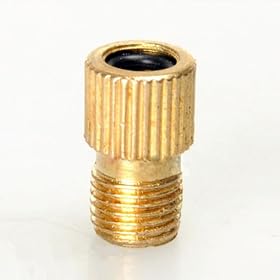
Most tubeless bicycle wheels use Presta valves, while Schrader valves are common on some bikes and other inflatables. Choose a pump head that supports the valve on your wheels, or select a model with a supplied adapter or reversible head.
The head should grip the valve securely without damaging the valve core. If the head leaks while you charge the chamber, the stored air may not reach the tire with enough force. A removable valve core can also make initial inflation easier in some setups, but follow the tire, rim, and sealant manufacturer's instructions before removing it.
A readable pressure gauge
A gauge is helpful for bringing the tire to a controlled pressure after the bead seats. Gauge placement and readability matter more than having an unnecessarily high maximum-pressure rating.
Choose a gauge that is easy to read from your normal pumping position. If you ride both high-pressure road tires and high-volume mountain-bike tires, check that the gauge scale is sufficiently detailed in the pressure range you use most often. Do not inflate beyond the tire or rim manufacturer's stated limits.
A hose long enough for your workspace
A longer hose makes it easier to connect the pump while the wheel is on the floor or in a work stand. It also reduces the chance of pulling the valve sideways while pumping. A hose that is too short can make an otherwise capable pump frustrating to use.
Stable feet and a comfortable handle
Seating a stubborn bead may require several strong strokes to charge the chamber. A broad base, secure foot pads, and a handle that does not flex excessively make the process more controlled. These features also matter when the pump is used as a normal floor pump between tubeless installations.
Replaceable wear parts
The pump head gasket, valve seals, hose, and gauge are wear items on many floor pumps. Before buying, check whether the manufacturer offers replacement seals or compatible service parts. A replaceable seal can extend the useful life of the pump when the chamber and barrel still work properly.
Product prices and availability are accurate as of the date/time indicated and are subject to change. Any price and availability information displayed on Amazon.com at the time of purchase will apply to the purchase of this product.
How to use a chamber pump more reliably
A chamber pump cannot compensate for every installation problem. Improve the odds of seating the tire by checking the setup first:
Inspect the rim tape. The tape should cover the spoke holes and sit smoothly without lifting at the edges.
Check the tubeless valve. The rubber base should sit correctly against the rim tape, and the retaining nut should be snug by hand. Do not overtighten it.
Lubricate the bead if permitted. A small amount of appropriate soapy solution can help the bead slide into position. Keep liquid away from the valve connection and avoid products that can harm rubber or sealant.
Center the beads in the rim channel. This creates more slack and can make the final section of the tire easier to install.
Charge the chamber fully. Follow the pump's instructions rather than guessing how much pressure to store.
Release the air while holding the head securely. Watch and listen for the beads moving into place.
Stop if the tire, rim, or pump shows a problem. Inspect the setup instead of repeatedly increasing pressure.
After the tire seats, spin and inspect it for an even bead line around both sides. Add sealant and inflate only according to the tire and rim manufacturer's guidance. If the tire will not seat at a safe pressure, stop and use a compatible compressor or have a qualified bike mechanic handle the installation.
Chamber pump versus other options
Standard floor pump
A regular floor pump is usually sufficient for topping up an already-sealed tubeless tire. It may also seat some tire and rim combinations, particularly when the fit is favorable, but it does not provide the same sudden air release as a chamber pump.
Air compressor
A compressor can provide repeated bursts of air and may be more effective for difficult or high-volume setups. It requires access to suitable equipment, a correctly set pressure regulator, and care to avoid exceeding the tire or rim limits.
Separate tubeless inflator tank
A separate tank can perform the same basic job as an integrated chamber. This may make sense if you already own a high-quality floor pump and only occasionally need a seating burst. An integrated chamber is generally more convenient when you want one pump for both charging and ordinary inflation.
CO2 inflator
CO2 can provide a rapid burst for some tubeless installations, but cartridge cost, limited volume, and compatibility with sealant make it less convenient for repeated home setup. Follow the tire and sealant manufacturer's guidance before using CO2 in a tubeless system.
When a chamber pump is the right purchase
A chamber pump is a good fit if you:
Install or remove tubeless tires at home.
Do not want to keep an air compressor in your workspace.
Need one tool for bead seating and routine inflation.
Use valves and tire pressures supported by the pump head and gauge.
Prefer a reusable solution over disposable cartridges.
It may not be the best choice if your tire and rim combinations seat easily with a normal floor pump, or if you regularly work on many difficult, high-volume tires. In those situations, a compressor or larger dedicated air tank may save time.
Common problems and fixes
The chamber releases air, but the bead does not move
Check that the pump head is sealing on the valve, the valve core is not obstructed, and the tire beads are positioned in the rim's center channel. Inspect the rim tape for leaks and confirm that the tire is approved for your rim and tubeless setup.
Air escapes around the tire bead
The bead may not be evenly positioned, the rim tape may leak, or the tire may not be compatible with the rim. Add only an appropriate amount of bead lubricant if allowed, reposition the tire, and try again at a safe pressure. Do not keep increasing pressure to force a poor-fitting combination.
The pump loses pressure while charging
Inspect the hose connection, pump head gasket, chamber switch, and visible seals. Tighten connections only as directed; excessive force can damage valve parts. If a replacement gasket or head is available, replacing that part is more reasonable than replacing the entire pump.
The gauge seems inaccurate
Compare the reading with a known-good gauge if pressure accuracy is important. Check for a loose hose or damaged gauge. If the pump cannot provide reliable readings and the gauge is not replaceable, a new pump or a separate accurate gauge may be the safer option.
The tire still will not seat
Stop if the tire approaches the manufacturer's maximum pressure without seating. Recheck rim tape, valve placement, bead position, and tire-rim compatibility. For a persistent problem, use suitable professional equipment or ask a qualified mechanic rather than continuing with higher pressure.
Bottom line
The best tubeless floor pump with a chamber is one with a dependable burst-release system, a secure valve head, a readable gauge, stable foot support, and serviceable seals. Match its valve compatibility and pressure range to your wheels, and remember that careful rim-tape and bead setup is just as important as the pump itself. A chamber pump is a convenient home solution, but no pump should be used to force an incompatible tire onto a rim or to exceed manufacturer pressure limits.
FAQ
Do I need a tubeless floor pump with a chamber?
You may need one if a regular floor pump cannot provide the quick burst required to seat your tubeless tires. It is especially useful for home installation when you do not have an air compressor. If your tires seat easily with a standard pump, a chamber may not be necessary.
Can a chamber floor pump inflate regular bike tires?
Generally, a chamber-style floor pump can also be used as a normal floor pump, provided its head fits the valve and its pressure range suits the tire. Follow the specific pump instructions for switching between chamber mode and regular inflation.
Will a tubeless chamber pump seat every tire?
No. Bead fit, rim design, tire compatibility, rim-tape condition, valve sealing, and tire volume all affect whether a tire seats. If the tire will not seat at a safe pressure, stop and inspect the setup or use qualified service equipment.
Is a compressor better than a tubeless floor pump with a chamber?
A compressor may be faster or more effective for repeated installations and difficult high-volume tires, but it requires suitable equipment and pressure control. A chamber floor pump is usually more compact and convenient for occasional home use.